 |
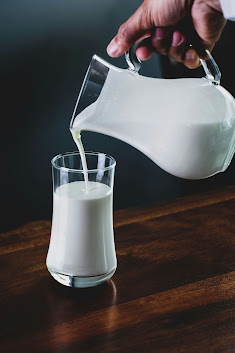
Maybe raw milk offers something unique.
(Photo by E. Aceron, Unsplash)
|
Despite raw milk's popularity with some consumers, many dairy experts warn against consuming raw milk products because of bacteria and disease risks. Raw milk proponents believe the benefits of raw milk products outweigh the concerns,
reports Moises Velasquez-Manoff of
The New York Times. "Should we take them more seriously?"
The U.S. raw milk movement began decades ago in "small, independent health-food stores," Velasquez-Manoff explains. The pandemic heightened interest in raw milk's benefits. "Mark McAfee, who heads Raw Farm in California, told me during the pandemic, people felt abandoned by medical professionals and began researching ways to care for their own immune systems. Many turned to raw milk, which he calls 'the first food of life.'"
Twenty-five years ago, when McAfee started selling raw milk, his customers were mostly "hippie 'nut-and-berry moms' and natural foodies, as he puts it. . . But as his sales have grown — about 30-fold since then, he estimates — his customers have diversified," Velasquez-Manoff explains. Today’s raw milk consumers come from vastly different backgrounds, with reasons for buying raw milk that range from political freedom to nutritional miracles.
American scientists and food nutrition experts have continually
warned against drinking unpasteurized dairy. According to the Centers for Disease Control and Prevention, "unpasteurized dairy products are 840 times as likely as their pasteurized counterparts to lead to infection and illness," Velasquez-Manoff reports. The CDC's list of possible adverse health outcomes includes: Shiga toxin-producing Escherichia coli, Salmonella, Listeria monocytogenes and Campylobacter.
But raw milk research isn't all about potential diseases humans could contract. In fact, recent studies suggest some positive preventative health benefits raw milk consumption might offer. Velasquez-Manoff writes, "There is also a wealth of epidemiological research, most of it from Europe, that suggests that drinking raw milk early in life can protect against the development of asthma and allergies later. . . . The basic notion animating the raw-milk movement — that something good and healthful is lost during processing — may have some validity to it."
While the health risks involved in raw milk consumption lead many dairy experts to adamantly push against drinking it, European studies might point the way toward resolving "what is often called the allergy epidemic," Velasquez-Manoff adds. "Scientists think that if they can identify what’s special about raw milk, and preserve it through treatment that makes it safe, maybe they can turn a widely consumed foodstuff into a powerful tool of preventive medicine."


