|
Psychiatric service dogs can help veterans cope with
PTSD. (Adobe Stock photo)
|
U.S. veterans or military workers who have post-traumatic stress disorder (PTSD) can feel and function better with the help of a psychiatric service dog, according to a study published in
JAMA Network Open. Veterans with a canine pal "endured less severe symptoms and experienced significantly less depression and anxiety." This is the first NIH-funded study — and the largest ever — to focus on service dogs for military-related PTSD. It’s also
the first study on this topic to use blind ratings, meaning that clinicians who assessed patients’ outcomes didn’t know whether they had a dog or not." Read the study and findings
here.
Colorful, savory and full of history are a few ways to describe this heritage rice. "Black shell, red, purple, white and green. The Laotian rice that thrives in the North Carolina foothills is a treasure to Hmong farmers – and a revelation to others,"
writes Sheri Castle for
The Bitter Southerner. "I never figured I’d be in a rice paddy at all, much less one in the Appalachian foothills of Western North Carolina. I was about an hour from where I’d grown up, but a world away. It was like finding a pearl in a potato."
When you go fishing, you can make memories and dinner. Having fun while snagging fish is what the group "
Let's Go Fishing" aims to do through fishing boat tours for seniors, veterans, disabled adults and children. "We’re always looking for new communities to serve. If there’s a lake, we can help you put a pontoon on it and bring the joy of fishing to more people."
Find out about starting a chapter. |
Purple coneflowers are now common in
home gardens. (Adode Stock photo)
|
Once called weeds, native prairie plants are returning to their natural habitats through gardening education. "We find ourselves in the age of the pollinator plant, and the pollinator garden, and interest keeps growing. But it wasn’t always so,"
reports Margaret Roach of
The New York Times. Expert gardener Neil Diboll remembers when purple coneflowers weren't welcome, but around 1989, sentiment changed. Diboll told Roach, “Purple coneflower was elevated from wildflower to quote-unquote perennial, and it was allowed inside the garden gate. . . . It paved the way for other native flowers and grasses to enter."
 |
Hedge parsley is sometimes called
'Burn it.' (Nativetexaspark photo)
|
Gardening delight can go sour when it turns out those lovely white buds are invaders. "
Torilis arvensis, known as hedge parsley has reedy stalks with tops that explode in tiny white flowers come springtime. It grows quickly and can be found in most regions of Texas, but it’s not native to the state or even the country,"
reports Amanda O’Donnell for
Texas Monthly. "The plant has seeds that present as minuscule, stubborn burrs after a bloom, notorious for embedding themselves in clothes, animal fur, leg hair, and absolutely anything else that can aid in their proliferation." Hedge parsley isn't the only invader. "Many Texans have added bastard cabbage, or
Rapistrum rugosum, to their list of vegetal enemies." To read how to remove or burn these interlopers, click
here.
 |
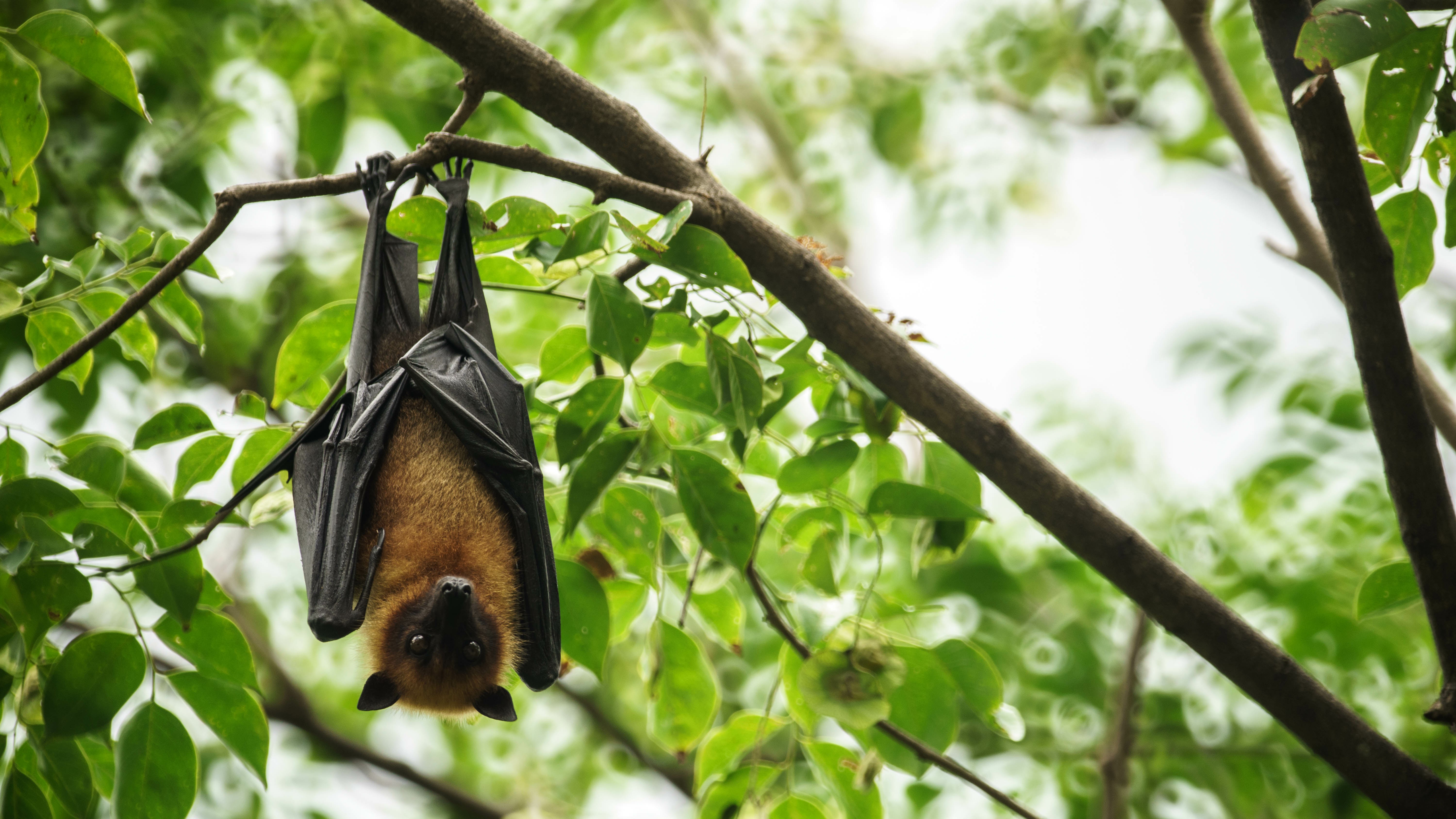
Bats are picky about their real estate options.
(Adobe Stock photo)
|
Bats are a farmer's best friend when eradicating crop-destroying bugs such as codling moth larvae -- but there's a catch. "Scientists have discovered significant effectiveness of bats for orchard pests. But the nighttime hunters are fickle about where they settle down,"
reports Sarah Derouin of
Ambrook Research. To get bats to live and breed in an orchard area means creating spaces that are as bat-friendly as possible. "
Agroforestry practices of incorporating trees into agricultural landscapes can go a long way for farm biodiversity and bat support. Treelines or patches of trees can provide bats with alternate places to forage while different cycles of pests emerge throughout the season."